Category: Banking

Explore online banking, checking accounts, savings accounts, digital banks, money transfers, and financial services.

  • Wire Transfers: How They Work and When to Use Them

    Wire Transfers: How They Work and When to Use Them

    Wire Transfers: How They Work and When to Use Them

    Wire transfers move billions of dollars daily — but a single mistake could cost you hundreds and delay your funds for days.

    Introduction

    Every year, Americans send trillions of dollars through wire transfers — and according to the Federal Reserve’s 2024 Payments Study, wire transfers account for more than $1 quadrillion in annual transaction value across the US banking system. Yet most people have never sent one intentionally, and those who have often describe the experience as stressful, confusing, and expensive.

    Maybe you’re buying your first home and need to send a down payment of $60,000 to a title company. Maybe you’re funding a new business account or sending money internationally to a supplier. Whatever your reason, wire transfers are one of the most reliable ways to move large sums of money quickly — but they come with strict rules, real costs, and serious fraud risks you need to understand before hitting send.

    In this guide, you’ll learn exactly how wire transfers work, what they cost, when they make sense, common mistakes that could cost you dearly, and safer alternatives worth considering. Whether you’re a first-time sender or someone who wants to use wire transfers more confidently, this breakdown gives you everything you need.

    What Is a Wire Transfer and How Does It Work?

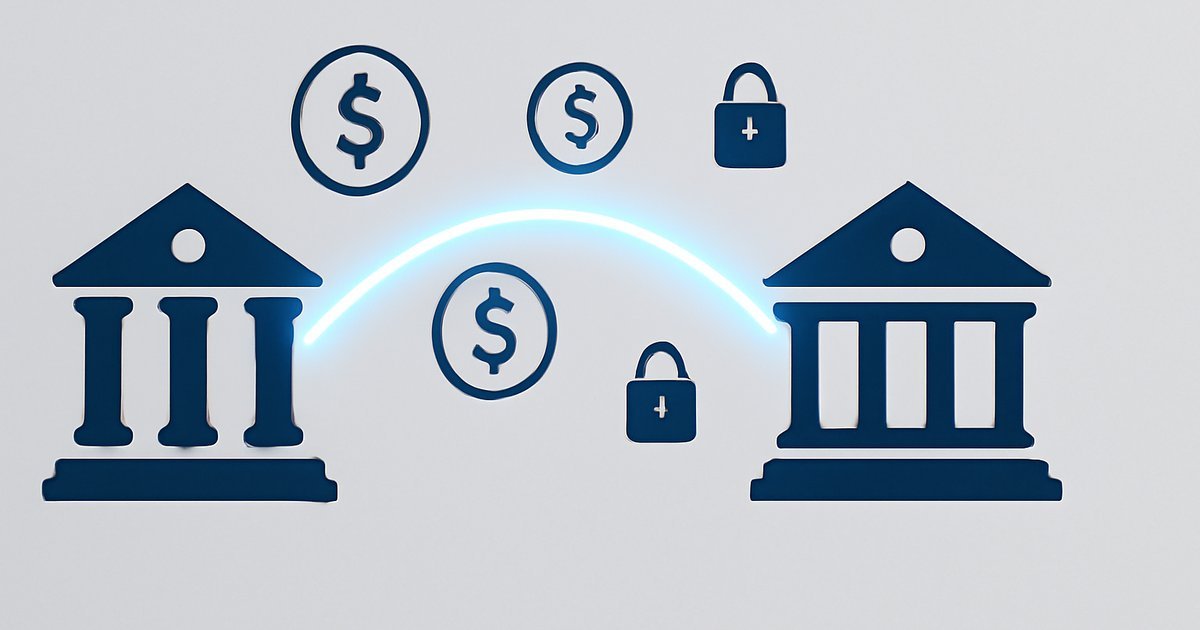
    A wire transfer is an electronic method of sending money directly from one bank account to another — either domestically within the United States or internationally to a foreign bank. Unlike writing a check or using Venmo, a wire transfer moves money through a secure banking network with instructions tied directly to specific account numbers.

    There are two main networks used for wire transfers in the US:

    • Fedwire — operated by the Federal Reserve, used primarily for large-value, same-business-day transfers between banks
    • SWIFT — the Society for Worldwide Interbank Financial Telecommunication, used for international wire transfers across borders and currencies

    When you initiate a wire transfer at your bank, the process generally works like this: you provide the recipient’s name, bank name, routing number, and account number. Your bank sends the payment instructions through the appropriate network, the receiving bank is notified, and funds are deposited into the recipient’s account. Domestically, this typically happens the same business day or within 24 hours. Internationally, it can take one to five business days.

    One critical distinction: wire transfers are generally considered final and irrevocable once sent. Unlike ACH transfers — which can sometimes be reversed — a wire transfer is nearly impossible to recall once the receiving bank has processed it. That finality is what makes wire transfers both powerful and risky.

    Key Benefits of Wire Transfers

    Wire transfers have remained a cornerstone of personal and business banking for decades for good reason. Here’s why they continue to be the preferred choice for high-stakes financial transactions.

    Speed and reliability. Domestic wire transfers sent before your bank’s cutoff time — often 3:00 to 5:00 PM ET — typically arrive the same business day. According to the CFPB, same-day delivery is one of the most consistently dependable features of domestic wires compared to other transfer methods.

    No dollar cap for large transfers. Most wire transfer services can accommodate very large amounts. If you’re buying a home, wiring $200,000 or more to a title company is standard practice. Alternatives like ACH transfers often have daily limits ranging from $2,500 to $25,000, depending on your bank.

    Global reach. International wire transfers via SWIFT can reach accounts in over 200 countries. If you’re paying a foreign contractor, supporting a family member abroad, or investing internationally, a wire transfer is often your most direct option.

    Bank-grade security. Wire transfers use encrypted, verified banking networks. Every transaction is authenticated between institutions, reducing the risk of interception compared to mailing a cashier’s check.

    For example, consider Sarah, a 41-year-old attorney in Chicago who wired $85,000 as a down payment on a condo. The title company required a wire — not a check — because of the amount and the need for guaranteed, same-day confirmation. The wire arrived within three hours of being sent, and the deal closed on schedule.

    How to Send a Wire Transfer: Step-by-Step

    Sending a wire transfer is straightforward once you know what information you need. Here’s how to do it correctly the first time.

    1. Gather recipient information. You’ll need the recipient’s full legal name, their bank’s full name, the bank’s ABA routing number (a 9-digit code), the recipient’s account number, and for international wires, the SWIFT/BIC code and potentially an IBAN (International Bank Account Number).
    2. Verify all details directly with the recipient. Call them using a number you already have on file — not one provided in an email. Fraudsters often intercept wire instructions and substitute their own account numbers in what’s known as a Business Email Compromise (BEC) scam.
    3. Log in to your bank or visit a branch. Most major US banks — including Chase, Bank of America, Wells Fargo, and Citibank — allow domestic wire transfers online. International wires and very large amounts may require an in-person visit or phone authorization.
    4. Complete the wire transfer form. Enter all recipient details carefully. Double-check every digit of the routing and account numbers. A single transposed number can send your money to the wrong account.
    5. Review the fees and submit. You’ll see the fee disclosed before confirming. Confirm the transaction and save or print your wire confirmation number for your records.
    6. Follow up if needed. Domestic wires typically settle same-day if sent before cutoff. If it hasn’t arrived within 24 hours domestically or five days internationally, contact your bank with your confirmation number to initiate a trace.

    If you’re managing your financial accounts actively, it’s worth understanding how your bank’s overall account structure supports large transactions. See our guide on Savings Account Interest Rates: How to Earn More in 2026 for context on keeping funds accessible before a major wire.

    Costs, Fees, and Risks of Wire Transfers

    Wire transfers are not free — and depending on your bank and whether the transfer is domestic or international, the fees can add up quickly. Here’s what to expect.

    Typical domestic wire fees:

    • Outgoing domestic wire: $15 to $35 per transfer
    • Incoming domestic wire: $0 to $15

    Typical international wire fees:

    • Outgoing international wire: $25 to $50 per transfer
    • Incoming international wire: $10 to $16
    • Currency conversion markup: 1% to 3% above the mid-market exchange rate

    Some banks, like Charles Schwab and Fidelity, offer free or reduced-fee wires for certain account holders. If you send wires frequently, this is worth factoring into your bank choice.

    Tax reporting considerations. The IRS generally doesn’t tax wire transfers themselves, but large transfers — especially internationally — may trigger reporting requirements. Banks are required by the Bank Secrecy Act to report cash transactions over $10,000, and suspicious wire activity may be flagged under anti-money-laundering rules. If you’re wiring large amounts internationally, consult a CPA to understand your reporting obligations.

    Fraud risk is the biggest danger. The FBI’s Internet Crime Complaint Center (IC3) reported that Business Email Compromise scams — many involving fraudulent wire instructions — caused more than $2.9 billion in losses in 2023 alone. Real estate transactions, in particular, are frequently targeted. Always verify wire instructions by phone before sending.

    Irrevocability. Once a wire is processed, recovering the funds is extremely difficult. Unlike a credit card charge, there’s no chargeback. Your bank can submit a recall request, but if the receiving bank has already credited the funds and the recipient has withdrawn them, recovery is unlikely.

    Common Mistakes to Avoid

    Even experienced wire senders make costly errors. Here are the most common — and how to protect yourself.

    Mistake #1: Trusting email-only wire instructions. This is how the $2.9 billion fraud problem happens. Fraudsters hack into email accounts of real estate agents, attorneys, or business contacts and send convincing wire instructions with altered account numbers. Always call the recipient using a verified phone number — not one listed in the same email — to confirm wire details before sending.

    Mistake #2: Entering account or routing numbers incorrectly. Even one wrong digit can send your funds to a stranger’s account. Some banks may catch the mismatch between the name and account number — but not always. Take your time entering numbers and verify twice before confirming.

    Mistake #3: Missing the bank’s cutoff time. Most banks have a wire cutoff between 3:00 and 5:00 PM ET for same-day processing. If you submit a wire at 4:50 PM and your bank’s cutoff is 4:45 PM, the wire may not process until the next business day — which can have serious consequences in real estate closings.

    Mistake #4: Ignoring currency conversion costs on international wires. If you’re sending money internationally, your bank often uses an exchange rate that includes a hidden markup of 2% to 3% above the mid-market rate. On a $10,000 transfer, that’s $200 to $300 in invisible fees. Compare rates with specialized services before wiring internationally.

    Mistake #5: Not keeping documentation. Always save your wire confirmation number, the recipient’s information, and any communications related to the wire. If something goes wrong, this documentation is essential for a bank trace or fraud report.

    Alternatives to Wire Transfers

    Wire transfers aren’t always the right tool. Depending on the amount, urgency, and your relationship with the recipient, one of these alternatives may serve you better.

    ACH Transfers (Automated Clearing House)
    ACH transfers are electronic bank-to-bank payments that are typically free or cost just $1 to $3. The downside: they’re slower (one to three business days) and often have lower daily limits. They’re ideal for recurring payments, payroll, and non-urgent transfers under $10,000. Learn more about how bank accounts support these transfers in our guide on Money Market Accounts: How They Work and When to Use.

    Specialized International Transfer Services
    For international transfers, companies like Wise (formerly TransferWise) and OFX typically offer exchange rates much closer to the mid-market rate than traditional banks, with lower flat fees. For a $5,000 international transfer, you could save $100 to $200 compared to a bank wire. The tradeoff is slightly slower delivery (one to two business days) and no in-person support.

    Cashier’s Checks
    For large domestic transactions where same-day electronic transfer isn’t required, a cashier’s check issued by your bank offers a guaranteed-funds alternative. Fees are typically $10 to $15, and the funds are considered more secure than a personal check. However, cashier’s check fraud is also common — many title companies now require wires specifically to avoid this risk.

    Zelle and Peer-to-Peer Apps
    For smaller transfers to people you know and trust, Zelle (built into most major US bank apps) transfers funds within minutes for free. However, Zelle has daily and monthly limits — typically $2,500 to $5,000 per day — and is not designed for large transactions or payments to strangers.

    Frequently Asked Questions

    How long does a domestic wire transfer take?
    Domestic wire transfers sent before your bank’s cutoff time — typically 3:00 to 5:00 PM ET — usually arrive the same business day. Transfers sent after the cutoff or on weekends/holidays will process the next business day.

    Can a wire transfer be reversed or canceled?
    Generally, no. Once a wire transfer has been processed and the receiving bank has credited the funds, it’s considered final. You can request a recall through your bank, but recovery is not guaranteed and depends on whether the receiving bank and account holder cooperate. This is why verifying details before sending is critical.

    Is there a maximum amount you can wire transfer?
    Most banks don’t have a hard cap on wire transfer amounts, but very large transfers may trigger additional verification, require branch authorization, or need advance notice. For amounts over $100,000, contact your bank in advance to understand their specific procedures.

    Do wire transfers get reported to the IRS?
    Wire transfers themselves are not automatically reported to the IRS, but banks are required to report cash transactions over $10,000 under the Bank Secrecy Act. Large or unusual wire activity may also be flagged for anti-money-laundering review. For significant international wires, consult a CPA about any potential FBAR or Form 8938 reporting requirements.

    What’s the safest way to verify wire instructions?
    Always call the recipient directly using a phone number you had before the transaction — not one listed in the email or document containing the wire instructions. Ask them to verbally confirm the routing number, account number, and bank name. Never rely solely on email to verify wire details.

    Conclusion

    Wire transfers are one of the most powerful tools in personal and business banking — and one of the most misunderstood. When used correctly, they offer unmatched speed, reliability, and reach for moving large sums of money. But the combination of high fees, irrevocability, and rampant wire fraud means that carelessness can be extremely costly.

    Your next step: before your next large transaction, verify whether a wire transfer is actually necessary, compare fees at your bank versus alternatives like Wise or ACH, and always — always — confirm wire instructions by phone before clicking send.

    For related banking topics, check out our guide on Money Market Accounts to understand where to hold funds before a major transfer, and our breakdown of Savings Account Interest Rates to make your money work while it waits.

    As always, consult a licensed financial advisor or CPA if your wire transfer involves complex tax implications, large international sums, or business transactions.


    Financial Disclaimer: This article is for educational purposes only and does not constitute financial, tax, or investment advice. Always consult a licensed financial advisor, CPA, or attorney before making financial decisions.
  • Money Market Accounts: How They Work and When to Use

    Money Market Accounts: How They Work and When to Use

    What Is a Money Market Account and How Does It Work?

    A money market account (MMA) is a type of deposit account offered by banks and credit unions that typically pays a higher interest rate than a standard savings account — while still keeping your money federally insured and accessible.

    Think of it as a hybrid between a checking account and a savings account. You earn more interest than you would with a basic savings product, and in most cases, you can still write checks or use a debit card to access your funds directly.

    MMAs are insured by the FDIC (Federal Deposit Insurance Corporation) at banks, up to $250,000 per depositor, per institution. At credit unions, the equivalent coverage comes from the NCUA (National Credit Union Administration). That means your money is protected even if the financial institution fails.

    The way banks can offer higher rates on MMAs is by investing your deposited funds in short-term, low-risk instruments — like Treasury bills and commercial paper — while keeping the account liquid enough for you to withdraw when needed.

    According to the Federal Reserve’s 2025 Consumer Finance data, the average money market account rate at traditional banks hovered around 0.60% APY, while online banks and credit unions were offering MMAs between 4.50% and 5.10% APY — a massive difference depending on where you keep your money.

    MMAs are available to virtually anyone with a Social Security number, a valid ID, and the minimum opening deposit — which typically ranges from $0 to $2,500 depending on the institution.

    Key Benefits of Money Market Accounts

    MMAs offer a specific combination of features that make them stand out in the banking landscape. Here’s why they’re worth considering for the right financial goal.

    Higher Interest Rates Than Traditional Savings

    The most immediate advantage is yield. As of mid-2026, many competitive MMAs from online banks are paying between 4.00% and 5.00% APY, while the national average for a standard savings account sits well below 1%. Over 12 months, that gap on a $20,000 balance could mean the difference between earning $180 and earning $1,000.

    FDIC/NCUA Insurance Protection

    Unlike money market funds (which are investment products and carry risk), money market accounts are insured deposit accounts. Your principal is never at risk due to market fluctuations — a critical distinction many people confuse.

    Liquidity and Flexibility

    MMAs allow you to access your funds without penalty. Many accounts come with check-writing privileges and a linked debit card, making them more flexible than certificates of deposit (CDs), which lock your money for a set term. However, federal regulations have historically limited certain withdrawals to six per month — though the Federal Reserve suspended Regulation D’s six-transfer limit in 2020, and many banks have kept that flexibility in place.

    Tiered Interest Rates

    Many MMAs use tiered rate structures — meaning the more you deposit, the higher your APY. For example, a bank might pay 3.50% on balances under $10,000 and 4.75% on balances of $25,000 or more. This rewards savers who keep larger balances in one place.

    How to Open a Money Market Account: Step-by-Step

    Getting started with an MMA is straightforward. Here’s how to do it the right way:

    1. Define your goal. Are you building an emergency fund? Parking a down payment? Saving for a large purchase within 1-3 years? MMAs are best suited for short-to-medium-term goals where you need both growth and access.
    2. Compare rates and minimums. Use tools on Bankrate or NerdWallet to compare current APYs across institutions. Focus on online banks and credit unions — they consistently offer rates 3x to 5x higher than traditional brick-and-mortar banks, largely due to lower overhead costs.
    3. Check the minimum balance requirements. Some MMAs require a minimum daily balance to earn the advertised APY or to avoid monthly maintenance fees. A common threshold is $2,500 to $10,000. Falling below that minimum can drop your rate significantly or trigger a fee.
    4. Gather your documents. You’ll need a government-issued photo ID, your Social Security number, a current address, and an existing bank account to fund the new MMA via ACH transfer.
    5. Apply online or in-branch. Most online banks approve MMA applications in minutes. You’ll receive account and routing numbers once approved, and your initial deposit will typically clear within 1-3 business days.
    6. Set up recurring transfers. Automate a monthly contribution from your checking account into the MMA. Consistency compounds your earnings over time — even small monthly additions meaningfully improve your total return.
    7. Review your rate quarterly. MMA rates are variable and can change with the federal funds rate. Set a calendar reminder every 90 days to check whether your current institution is still competitive.

    If you’re also managing a checking account, pairing it with a high-yield MMA at the same institution can simplify transfers and improve your overall banking efficiency.

    Costs, Fees, and Real Risks to Know

    MMAs are generally low-cost, but not cost-free. Knowing what to watch for protects your returns.

    Monthly Maintenance Fees

    Some banks charge $10 to $25 per month if your balance drops below a required minimum. On a $5,000 balance, a $15/month fee effectively wipes out much of your interest income. Always confirm the minimum balance needed to waive fees before you open an account.

    Variable Interest Rates

    Unlike CDs, MMA rates are not fixed. If the Federal Reserve cuts the federal funds rate, your MMA APY will likely drop within a few weeks. This is a key risk for anyone counting on a specific yield over a multi-year horizon.

    Excess Transaction Fees

    Even though many banks have relaxed transfer limits post-2020, some still cap certain transaction types and charge fees for going over. Read the fine print carefully — especially for MMAs at traditional banks.

    Opportunity Cost

    While MMAs outperform standard savings accounts, they typically underperform long-term investments like index ETFs or a Roth IRA over a 10+ year timeframe. If you’re keeping $50,000 in an MMA for decades, you’re likely leaving significant wealth-building potential on the table.

    Interest Is Taxable

    The IRS treats MMA interest as ordinary income. Your bank will send you a Form 1099-INT at year-end for any interest earned over $10. Depending on your tax bracket, this could reduce your effective yield by 12% to 37%.

    Common Mistakes to Avoid with Money Market Accounts

    Even a straightforward product like an MMA can trip up smart savers. Here are the most costly errors — and how to sidestep them.

    Mistake #1: Staying at a Low-Rate Bank Out of Habit

    Many Americans leave their savings — sometimes $30,000 or more — in accounts earning 0.01% APY simply because they’ve banked there for years. At that rate, $30,000 earns just $3 a year. At a competitive online MMA paying 4.50%, that same balance earns $1,350 annually. Inertia is one of the most expensive financial habits you can have.

    Mistake #2: Confusing a Money Market Account with a Money Market Fund

    A money market fund is a low-risk mutual fund sold through brokerage accounts. It is not FDIC insured and carries investment risk — its value can technically fall below $1 per share (called "breaking the buck"). A money market account is a bank deposit product with full federal insurance. These are two entirely different products. Never assume they’re interchangeable.

    Mistake #3: Ignoring Minimum Balance Requirements

    Opening an MMA with a flashy APY, then letting your balance dip below the minimum threshold, can result in either a reduced rate or fees that negate your earnings. Always keep a buffer above the minimum or choose an account with no minimum balance requirement.

    Mistake #4: Using an MMA for Long-Term Wealth Building

    MMAs are excellent cash management tools — not long-term investment vehicles. Using them to hold retirement savings for decades is a slow path to falling behind inflation. Generally speaking, money you won’t need for 5+ years belongs in a diversified investment portfolio, not a deposit account.

    Mistake #5: Not Shopping Rates Regularly

    MMA rates change with the interest rate environment. What was the best rate 18 months ago may be mediocre today. Failing to shop around at least annually means you’re likely earning less than you could be — sometimes by a full percentage point or more.

    Alternatives to Money Market Accounts

    Depending on your timeline and goals, one of these alternatives may serve you better.

    High-Yield Savings Accounts (HYSAs)

    Best for: Savers who want competitive rates with no minimum balance requirements.
    HYSAs from online banks often match or exceed MMA rates, with fewer restrictions and no check-writing features. If you don’t need check access, an HYSA may be simpler and just as rewarding. The tradeoff: no debit card or check-writing access in most cases.

    Certificates of Deposit (CDs)

    Best for: Savers who can lock up funds for a defined period (3 months to 5 years) and want a guaranteed, fixed rate.
    CDs lock in your rate at the time of purchase, making them attractive when rates are high and expected to fall. The downside: early withdrawal penalties — typically 60 to 180 days of interest — make CDs illiquid. If rate certainty matters more than flexibility, CDs are worth a look.

    Treasury Bills (T-Bills)

    Best for: Higher-income earners looking to reduce state and local tax on interest income.
    T-Bills are short-term US government securities (4 to 52 weeks) that are exempt from state and local taxes. In high-tax states, that exemption can make their effective yield competitive with or superior to MMAs. You can purchase T-Bills directly through TreasuryDirect.gov with no fees.

    Frequently Asked Questions About Money Market Accounts

    Is a money market account safe?

    Yes — as long as you open one at an FDIC-insured bank or NCUA-insured credit union. Your deposits are protected up to $250,000 per depositor, per institution. The account itself carries no market risk, meaning your principal won’t lose value due to economic conditions.

    How is a money market account different from a savings account?

    Both are insured deposit accounts, but MMAs typically pay higher interest rates, may require higher minimum balances, and often include check-writing or debit card access. Standard savings accounts are simpler but usually earn significantly less. The best choice depends on your balance size and how frequently you need account access.

    Can I lose money in a money market account?

    In a money market account (bank deposit), no — your principal is FDIC protected. In a money market fund (investment product), technically yes, though it’s extremely rare. Always confirm you’re opening a deposit account, not an investment fund.

    How much should I keep in a money market account?

    A common framework is to keep 3-6 months of living expenses in a liquid, high-yield account like an MMA — this is your emergency fund. Beyond that, money earmarked for purchases or goals within 1-3 years can also sit in an MMA. Longer-term savings are generally better served by investment accounts.

    Do money market accounts have tax implications?

    Yes. Interest earned in an MMA is taxable as ordinary income at the federal level and, in most states, at the state level too. You’ll receive a Form 1099-INT from your bank if you earn more than $10 in interest during the calendar year. Factor your marginal tax rate into your after-tax yield calculation when comparing options.

    Final Takeaways: Is a Money Market Account Right for You?

    A money market account is one of the most practical tools in personal finance — but only when used for the right purpose. It shines as a home for your emergency fund, a short-term savings goal, or a place to park cash while you decide on a larger financial move.

    The single most important action you can take today is to compare your current savings rate against the best available MMA rates. If you’re earning less than 3.00% APY in 2026, you’re almost certainly leaving money on the table.

    Start by visiting comparison sites like Bankrate or NerdWallet, identify the top three MMA options that match your balance size, and make the switch if the numbers work. The application takes less than 15 minutes — and the annual difference in earnings could easily run into the hundreds or thousands of dollars.

    That said, where an MMA fits within your broader financial picture — alongside investments, debt payoff strategies, and retirement planning — is highly personal. Always consult with a licensed financial advisor before making significant decisions about how to allocate your savings.


    Financial Disclaimer: This article is for educational purposes only and does not constitute financial, tax, or investment advice. Always consult a licensed financial advisor, CPA, or attorney before making financial decisions.
  • Checking Accounts: How to Choose the Best One

    Checking Accounts: How to Choose the Best One

    The right checking account can save you hundreds of dollars a year — and the wrong one can quietly drain your balance with fees you barely notice.

    According to a 2025 Bankrate survey, the average American pays over $150 a year in checking account fees — including monthly maintenance charges, overdraft penalties, and out-of-network ATM costs. For many households, that money disappears without a second thought.

    But here’s the thing: a checking account isn’t just a place to park your paycheck. It’s the financial hub of your daily life — where bills get paid, groceries get covered, and savings transfers happen. Choosing the wrong one can cost you real money every month.

    In this guide, you’ll learn exactly how checking accounts work, what features actually matter, how to compare your options, and which mistakes most people make when opening one. Whether you’re switching banks, opening your first account, or trying to stop paying unnecessary fees, this breakdown will help you make a smarter decision.

    What Is a Checking Account and How Does It Work?

    A checking account is a type of deposit account held at a bank or credit union that’s designed for frequent, everyday transactions. Unlike savings accounts — which are meant to hold money over time — checking accounts are built for spending, paying bills, and receiving income.

    When you deposit money into a checking account, it becomes immediately available for use. You can access funds through a debit card, paper checks, ACH transfers (the system banks use to move money electronically), wire transfers, or cash withdrawals at ATMs.

    Here’s how the basic mechanics work:

    • Your employer deposits your paycheck via direct deposit
    • You use a debit card for purchases, which draws directly from your balance
    • You set up automatic bill payments linked to your account number and routing number
    • You transfer money to savings or investment accounts as needed

    The Federal Deposit Insurance Corporation (FDIC) insures checking accounts at member banks up to $250,000 per depositor, per institution. That means your money is protected even if the bank fails — a critical safeguard for US consumers.

    Checking accounts are available at traditional banks, online-only banks, and credit unions. Each type comes with different fee structures, interest rates, and features — and understanding those differences is where the real decision-making begins.

    Key Features and Benefits of a Strong Checking Account

    Not all checking accounts are created equal. A 2024 Federal Reserve report found that nearly 5% of US households remain unbanked — meaning they have no checking or savings account at all. That number climbs higher among lower-income households, often because fees make traditional accounts inaccessible.

    Here are the features that separate a good checking account from a costly one:

    No Monthly Maintenance Fees

    Many traditional banks charge $10 to $25 per month just to maintain your account. Some waive this fee if you maintain a minimum balance (often $1,500 or more) or set up direct deposit. Online banks frequently offer completely fee-free accounts with no strings attached.

    ATM Access and Reimbursements

    Out-of-network ATM fees average $4.73 per transaction, according to Bankrate. Look for banks with large ATM networks (Allpoint, MoneyPass) or those that reimburse ATM fees — some online banks refund up to $20 per month in third-party ATM charges.

    Overdraft Protection

    Overdraft fees used to average $35 per occurrence. Following regulatory pressure from the CFPB, many major banks have reduced or eliminated overdraft fees as of 2024-2025. Ally Bank, for example, eliminated overdraft fees entirely. Ask specifically about overdraft policies before opening any account.

    Interest-Bearing Options

    Some checking accounts pay interest on your balance — these are called "interest-bearing" or "high-yield" checking accounts. While rates are typically lower than CD accounts or high-yield savings accounts, earning even 0.5% to 2% APY on a $5,000 balance adds up over time.

    Mobile and Digital Banking Tools

    Look for mobile check deposit, instant payment features (Zelle), spending alerts, budgeting dashboards, and strong two-factor authentication. For more on keeping your accounts secure, see our guide on online banking safety.

    How to Choose the Right Checking Account: Step-by-Step

    Choosing a checking account isn’t complicated, but it requires matching the account’s features to your actual financial habits. Here’s a practical process:

    1. Calculate your average monthly balance. If you regularly keep $3,000 or more in checking, you may qualify for fee waivers at traditional banks. If your balance fluctuates, a no-fee online account protects you better.
    2. Assess how you access cash. If you withdraw cash frequently, ATM access matters a lot. If you rarely use ATMs, you can prioritize other features. Map out where ATMs are near your home, work, and regular stops.
    3. Decide between bank types. Traditional banks offer in-person service and more product options. Online banks offer lower fees and higher interest rates. Credit unions offer member-focused service and competitive rates but limited branch access. Choose based on how you prefer to bank.
    4. Compare overdraft policies explicitly. Ask: What happens if I overdraw by $10? Is there a grace period? Is there a linked savings account option? Some banks cover small overdrafts automatically; others charge immediately.
    5. Check direct deposit requirements. Many perks — including fee waivers and early paycheck access — require direct deposit. Confirm what counts as direct deposit at your target bank (some accept transfers; others require employer payroll).
    6. Read the deposit agreement. Before signing anything, review the account’s fee schedule. The CFPB requires banks to disclose all fees upfront. Look for: monthly fees, overdraft fees, wire transfer fees, paper statement fees, and inactivity fees.
    7. Open the account online or in person. You’ll need a government-issued ID, your Social Security Number, and an initial deposit (many online accounts require $0 to $25 to open). The process typically takes 10-15 minutes online.

    Costs, Fees, and Risks to Know Before You Open

    The Consumer Financial Protection Bureau (CFPB) reports that overdraft and NSF (non-sufficient funds) fees generated over $9 billion in bank revenue in a single recent year — most of it from consumers who weren’t fully aware of the charges. Here’s what to watch for:

    Monthly Maintenance Fees

    Range from $0 to $25/month. Always ask about waiver conditions. A $12/month fee with no waiver costs you $144/year — money better saved or invested.

    Overdraft Fees

    Even as some banks reduce these, others still charge $25-$35 per overdraft, sometimes multiple times per day. If you tend to cut it close at the end of the month, prioritize accounts with no overdraft fees or with a linked account buffer.

    Wire Transfer Fees

    Domestic wires often cost $15-$30 to send. If you frequently move large amounts of money, factor this in — or look for accounts that offer free domestic wires.

    Minimum Balance Requirements

    Some accounts require you to maintain a minimum balance to avoid fees or earn interest. Falling below triggers a fee, which can compound if your balance is already low.

    ChexSystems Risk

    Banks often check your banking history through ChexSystems before approving an account. If you’ve had an account closed for unpaid negative balances, you may be flagged. In that case, look for "second chance" checking accounts, offered by many credit unions and online banks.

    Common Mistakes to Avoid When Opening a Checking Account

    Even financially savvy adults make avoidable errors when choosing or managing a checking account. Here are the most costly ones:

    Mistake 1: Ignoring the Fee Schedule

    Most people focus on the account’s advertised perks and skip the fine print. A checking account that earns 1% interest but charges a $15 monthly fee nets you less than zero at a $5,000 balance. Always do the math: interest earned minus fees paid equals your real return.

    Mistake 2: Assuming Your Balance Is Always Fee-Waived

    Life happens. A slow pay period or unexpected expense can drop your balance below the waiver threshold. If that triggers a $15 fee, you’ve lost money during an already tight month. Accounts with unconditional zero fees eliminate this risk entirely.

    Mistake 3: Not Setting Up Account Alerts

    Most banks let you set low-balance alerts via text or email at no charge. Not using this feature is one of the main reasons people get hit with overdraft fees. Set an alert for when your balance drops below $200 or whatever your personal buffer is.

    Mistake 4: Keeping Too Much in Checking

    Checking accounts typically pay little to no interest. Keeping $20,000 in a non-interest-bearing checking account when you could have most of it in a high-yield savings account or invested in index funds means you’re leaving real money on the table. Keep only 1-2 months of expenses in checking; move the rest to higher-yield vehicles.

    Mistake 5: Ignoring Credit Union Options

    Millions of Americans overlook credit unions, which are nonprofit financial cooperatives. According to the National Credit Union Administration (NCUA), credit unions typically charge lower fees and pay higher rates than traditional banks. Membership requirements have also relaxed significantly — many now allow anyone in a specific state or employer group to join.

    Alternatives to a Traditional Checking Account

    A standard checking account isn’t the only option for managing your daily finances. Depending on your situation, one of these alternatives may fit better:

    1. Online Bank Checking Accounts

    Best for: People comfortable with digital banking who want to minimize fees.
    Pros: No monthly fees, higher interest rates, ATM reimbursements, strong apps.
    Cons: No physical branches, cash deposits can be complicated, customer service is digital-only.
    Examples: Ally, SoFi, Axos, Discover Bank.

    2. Credit Union Checking Accounts

    Best for: People who want personalized service and lower fees than big banks.
    Pros: Lower overdraft fees, fewer monthly charges, profit returned to members via better rates.
    Cons: Limited branch and ATM networks, membership eligibility requirements.
    Examples: Navy Federal Credit Union, Alliant Credit Union, local community credit unions.

    3. Prepaid Debit Cards

    Best for: People who can’t qualify for a traditional account (ChexSystems issues) or want to limit spending to a fixed amount.
    Pros: No credit check or banking history required, spending control.
    Cons: Often come with reload fees, no check-writing ability, limited fraud protection compared to FDIC-insured accounts. Not a long-term substitute for a real checking account.

    Frequently Asked Questions About Checking Accounts

    Is my checking account FDIC insured?

    Yes — if your bank is an FDIC member (which most US banks are), your checking account is insured up to $250,000 per depositor, per ownership category. Credit unions are insured by the NCUA under equivalent terms. You can verify your bank’s status at FDIC.gov.

    What’s the difference between a checking and savings account?

    Checking accounts are designed for unlimited daily transactions — spending, bill pay, debit card use. Savings accounts are designed to hold money over time and typically pay higher interest. In most cases, savings accounts limit withdrawals (though federal Regulation D limits were suspended in 2020, many banks still enforce their own caps).

    Can I open a checking account with bad credit?

    Yes — banks generally don’t pull your credit report to open a checking account. However, they may check ChexSystems, a separate reporting agency that tracks banking history. If you have a negative ChexSystems record, look for "second chance" checking accounts, available at many credit unions and some online banks.

    How many checking accounts should I have?

    There’s no universal rule, but many financial planners suggest having at least two accounts: one primary account for bills and fixed expenses, and one for discretionary spending. This separation can make budgeting easier and reduce the risk of accidentally overspending from a single pool of money.

    What happens to my checking account if the bank closes?

    If an FDIC-insured bank fails, the FDIC steps in and typically transfers insured deposits to another institution within a few business days. You generally won’t lose access to funds under the $250,000 insurance limit. The FDIC has resolved hundreds of bank failures in its history without a single depositor losing insured funds.

    The Bottom Line: Your Checking Account Should Work for You

    Your checking account is one of the most used financial tools in your life — and it should be earning its keep, not costing you money every month. The best checking account for you isn’t necessarily the most popular or the one your parents used for 30 years. It’s the one that fits your actual banking habits, charges you the least in fees, and gives you the tools to manage your money confidently.

    Start by auditing what you’re currently paying in fees. Then compare at least two or three options — a traditional bank, an online bank, and a local credit union. Read the fee schedule before you sign. Set up alerts the moment you open the account. And remember: keep only what you need in checking, and put the rest to work elsewhere.

    Small financial decisions compound over time. The right checking account is one of the easiest wins available to you right now.

    This article is for educational purposes only and does not constitute financial, tax, or investment advice. Always consult a licensed financial advisor, CPA, or attorney before making financial decisions.
  • Online Banking Safety: How to Protect Your Money in 2026

    Online Banking Safety: How to Protect Your Money in 2026

    Online Banking Safety: How to Protect Your Money in 2026

    Bank fraud losses in the US topped $10 billion in a single year — here’s how to make sure your account isn’t next.

    According to the Federal Trade Commission, Americans lost over $10 billion to fraud in 2023 — and a growing share of those losses came directly from compromised online banking accounts. Whether it was a phishing email that looked exactly like your bank, a data breach at a major financial institution, or a SIM-swap attack on a cell phone account, cybercriminals are getting more sophisticated every year.

    If you do any banking online — and at this point, most of us do — understanding how to protect your accounts isn’t optional. It’s a core part of managing your personal finances responsibly. In this guide, you’ll learn exactly how online banking fraud happens, what tools banks offer to protect you, and the specific steps you need to take right now to keep your money safe. No jargon, no fear-mongering — just practical, actionable steps.

    How Online Banking Fraud Actually Works

    Before you can defend yourself, you need to understand the attack. Online banking fraud doesn’t usually involve a hacker in a dark room cracking your password through brute force. In most cases, criminals rely on much simpler tactics — and that’s what makes them so effective.

    Phishing is the most common entry point. You receive an email, text, or even a phone call that appears to be from your bank. It asks you to verify your account, confirm a suspicious charge, or update your login credentials. The link takes you to a fake website that looks identical to your real bank’s site — and once you enter your username and password, the attacker has full access.

    According to the FDIC, phishing attacks targeting bank customers increased by 47% between 2021 and 2023. Criminals have become expert at spoofing email addresses and replicating bank websites down to the logo and font.

    Credential stuffing is another common method. When large websites suffer data breaches — which happen constantly — usernames and passwords get sold on the dark web. If you reuse passwords across sites, criminals use automated tools to try those same credentials on banking sites. One leaked password from a shopping account could unlock your checking account if you use the same one.

    SIM-swapping is a more targeted attack where a criminal convinces your cell carrier to transfer your phone number to a SIM card they control. Once they have your number, they can intercept two-factor authentication (2FA) codes sent via text message — essentially bypassing one of your key security layers.

    What Banks Actually Do to Protect You

    The good news: federally insured US banks have significant security infrastructure in place. The FDIC insures deposits up to $250,000 per depositor per bank, which means if your bank fails, your money is protected. But FDIC insurance does not cover fraud losses — that’s a separate issue governed by other regulations.

    Under Regulation E, the Electronic Fund Transfer Act provides some protection for unauthorized transactions. If you report fraudulent activity within two business days of discovering it, your liability is limited to $50. Wait longer — up to 60 days — and your liability could rise to $500. Beyond 60 days, you could potentially be responsible for the entire loss.

    Most major banks also offer zero-liability policies that exceed what federal law requires, especially for debit card transactions. Banks like Chase, Bank of America, and Wells Fargo generally cover 100% of unauthorized transactions if you report them promptly. However, these policies have conditions — you still need to take reasonable precautions and report issues quickly.

    Banks also use behavioral analytics behind the scenes: if you suddenly log in from a new device in a different state and immediately try to wire $5,000, that triggers automatic flags and may pause the transaction for verification. These systems catch a significant share of fraud before it reaches your account.

    Step-by-Step: How to Secure Your Online Banking Account

    Here’s a practical checklist you can work through today. These steps take under an hour and can prevent the majority of online banking fraud.

    1. Use a unique, strong password for every financial account. A strong password is at least 16 characters and includes uppercase, lowercase, numbers, and symbols. If you reuse passwords, stop immediately. Use a password manager like Bitwarden (free) or 1Password to generate and store unique passwords for every site.
    2. Enable two-factor authentication (2FA) — but use an authenticator app, not SMS. Text-based 2FA is better than nothing, but it’s vulnerable to SIM-swapping. Instead, use an app like Google Authenticator or Authy. Most major banks now support app-based 2FA. Go into your bank’s security settings and switch it on today.
    3. Set up account alerts for every transaction. Most banks let you configure real-time text or email alerts for any transaction over a certain dollar amount — even $1. This means you’ll know within seconds if someone makes an unauthorized charge. Log into your bank’s app, go to notifications or alerts, and turn them all on.
    4. Review your account statements weekly. Don’t wait for your monthly statement. A quick five-minute scan of your transactions each week is enough to catch small unauthorized charges before they escalate. Criminals often test accounts with small transactions ($1–$5) before making larger ones.
    5. Freeze your credit at all three bureaus. A credit freeze at Equifax, Experian, and TransUnion prevents anyone — including fraudsters — from opening new credit accounts in your name. It’s free, takes about 15 minutes online, and doesn’t affect your credit score. This is one of the most underused protective tools available.
    6. Never access your bank on public Wi-Fi without a VPN. Public Wi-Fi at coffee shops, airports, and hotels is unsecured. If you need to check your account on the go, use your phone’s cellular data or a reputable VPN service. Public networks can be monitored by anyone on the same connection.
    7. Verify before you click — always. If you receive an email or text claiming to be from your bank, don’t click any links in the message. Instead, open a new browser tab and navigate directly to your bank’s website, or call the number on the back of your debit card. This one habit eliminates virtually all phishing risk.

    Costs, Risks, and What Banks Won’t Cover

    It’s important to be clear-eyed about what protections exist and where the gaps are. While federal law and bank policies provide meaningful protection, there are situations where recovering lost funds is difficult or impossible.

    Wire transfers and Zelle payments are particularly risky. Unlike credit card transactions, wire transfers are generally final and irreversible. If you’re tricked into sending money via wire or Zelle to a scammer — even if you did it voluntarily under false pretenses — most banks will argue the transaction was authorized, making recovery difficult. The Consumer Financial Protection Bureau (CFPB) has been pushing banks to reimburse more Zelle fraud victims, but policies vary significantly by institution.

    Business accounts have weaker protections than personal accounts. Regulation E protections apply primarily to consumer accounts. If you’re a small business owner banking under a business account, your liability for unauthorized transactions may be higher and the bank’s obligation to reimburse you is less stringent. Small business owners should ask their bank specifically about commercial account fraud policies and consider adding a cyber liability insurance policy.

    Depending on your bank and the circumstances, fraud investigations can take 10 to 45 business days. During that time, the disputed funds may be temporarily withheld. For many households, this creates real cash flow problems — which is another reason why having an emergency fund in a high-yield savings account matters.

    Common Mistakes That Put Your Accounts at Risk

    Even financially savvy people make these errors. Here’s what to watch out for:

    Mistake #1: Using the same password across multiple sites. This is the single biggest vulnerability for most Americans. One data breach at an unrelated website can expose your banking credentials. Use a password manager and make every financial password unique.

    Mistake #2: Ignoring low-dollar transactions on your statement. Fraudsters frequently test stolen account credentials with small charges — $1.99, $3.50 — to verify the account is active before making larger moves. If you only check your statement once a month and only look at big numbers, you’ll miss these early warning signs.

    Mistake #3: Trusting caller ID. Modern phone spoofing makes it easy for criminals to make a call appear as if it’s coming from your bank’s official number. If someone calls you claiming to be from your bank and asks for your password, PIN, or one-time verification code — hang up immediately. Your real bank will never ask for these over the phone.

    Mistake #4: Skipping security updates on your phone or computer. Outdated software contains known vulnerabilities that criminals actively exploit. Enable automatic updates on your devices and make sure your banking apps are always running the latest version.

    Mistake #5: Assuming your bank will always make you whole. Many people assume that if anything goes wrong, the bank will simply refund the money. In many cases, yes — but not always, especially with wire fraud, peer-to-peer payment scams, or if you delayed reporting the unauthorized activity.

    Alternatives and Complementary Protections to Consider

    Beyond your bank’s built-in security features, several complementary tools and strategies can add meaningful layers of protection.

    Identity theft protection services like LifeLock, Aura, or Identity Guard monitor your personal information across the dark web, credit bureaus, and public records. Plans typically run $10–$30 per month. They won’t prevent fraud, but they can detect it faster and help you navigate recovery. Some homeowner’s insurance policies include limited identity theft protection — check your policy before paying for a separate service.

    A dedicated account for online transactions is a strategy used by many financially cautious people: keep a separate checking account with a small balance specifically for online purchases and bill payments. Link your primary savings and main checking account to nothing. This limits your exposure even if that account is compromised. You can also link this to a CD account for funds you don’t need immediate access to, adding another layer of separation.

    Virtual credit card numbers are available through some banks and services like Privacy.com. They generate a one-time or merchant-locked card number for online purchases, so even if a retailer suffers a breach, your real account number is never exposed. This is particularly useful for recurring subscriptions or one-time purchases from unfamiliar sites. For everyday spending, pairing this with a solid cash back credit card gives you both security and rewards.

    Frequently Asked Questions

    Is online banking actually safe?
    Generally speaking, online banking at FDIC-insured institutions with modern security infrastructure is very safe — especially if you follow basic security hygiene. The biggest risks come from user behavior (weak passwords, phishing clicks) rather than bank-side vulnerabilities. Taking the steps outlined in this guide dramatically reduces your risk.

    What should I do immediately if I think my account has been hacked?
    Call your bank’s fraud hotline immediately — the number is on the back of your debit card or on their website. Do not use any contact information from a suspicious email. Change your password right away from a secure device. Report the incident to the FTC at ReportFraud.ftc.gov and file a police report if significant funds were stolen.

    Does my bank have to refund me if I’m a victim of fraud?
    For unauthorized electronic transactions on personal accounts, Regulation E generally requires your bank to investigate and provisionally credit your account within 10 business days. If the transaction was authorized — meaning you sent the money yourself, even if under false pretenses — the bank’s obligation is less clear. Timely reporting is critical.

    Is it safe to use banking apps on my smartphone?
    In most cases, yes — official banking apps from major institutions are highly secure. The key risks are downloading fake apps, using the app on a jailbroken or rooted phone, or accessing it over unsecured Wi-Fi. Stick to apps downloaded directly from the App Store or Google Play, and keep your operating system updated.

    What’s the difference between a credit freeze and a fraud alert?
    A credit freeze completely blocks new credit applications in your name — no lender can pull a hard credit inquiry. A fraud alert is softer: it flags your file and asks lenders to take extra steps to verify identity, but doesn’t block applications outright. A freeze is generally stronger protection. Both are free at all three major bureaus.

    Conclusion: Take Action Before You Become a Statistic

    Online banking fraud is not a theoretical risk — it affects millions of Americans every year, across every income level and age group. The encouraging reality is that most of the protection comes from straightforward habits: strong unique passwords, app-based two-factor authentication, real-time alerts, and a healthy skepticism toward unexpected communications claiming to be your bank.

    You don’t need to become a cybersecurity expert. You just need to take 60 minutes this week to review your settings, update your passwords, turn on alerts, and freeze your credit. These steps cost nothing and can prevent losses that might take months or years to recover from financially and emotionally.

    As your next step: log into your primary bank account right now, navigate to security settings, and enable two-factor authentication. Then set up transaction alerts. Start there.

    This article is for educational purposes only and does not constitute financial, tax, or investment advice. Always consult a licensed financial advisor, CPA, or attorney before making financial decisions.
  • CD Accounts: How They Work and When to Use Them

    CD Accounts: How They Work and When to Use Them

    CD Accounts: How They Work and When to Use Them

    Certificates of deposit currently offer some of the most predictable returns in personal banking — but only if you use them correctly.

    Introduction

    According to the FDIC, as of mid-2026, the average American household holds more than $8,000 in traditional savings accounts earning well under 1% annually. Meanwhile, CD accounts at many banks and credit unions have been offering rates between 4% and 5% APY — sometimes higher — for maturities ranging from six months to five years.

    That gap represents real money left on the table. If you have cash sitting idle in a low-interest account and you don’t need it immediately, a certificate of deposit (CD) could be one of the most straightforward ways to boost your return without taking on market risk.

    In this guide, you’ll learn exactly how CD accounts work, what makes them worth considering, how to open one step by step, what the real costs and penalties look like, the most common mistakes people make, and what alternatives exist if a CD isn’t the right fit for your situation.

    Whether you’re saving for a specific goal, building an emergency cushion, or simply tired of watching your savings earn almost nothing, this breakdown will help you make a clear-eyed decision.


    What Is a CD Account and How Does It Work?

    A certificate of deposit is a type of savings product offered by banks, credit unions, and some online financial institutions. When you open a CD, you deposit a fixed amount of money for a set period of time — called the term — and in return, the institution pays you a guaranteed interest rate for the duration of that term.

    The core mechanics are simple: you lock in your money, and the bank locks in your rate. At the end of the term (called the maturity date), you get your original deposit back plus all the interest you’ve earned.

    CD terms typically range from as short as one month to as long as ten years. The most common terms you’ll see are 3-month, 6-month, 1-year, 2-year, and 5-year CDs. Generally speaking, longer terms come with higher interest rates — though the relationship between term length and APY can shift depending on the broader interest rate environment.

    Here’s what makes CDs distinct from a regular savings account:

    • Fixed rate: Your APY doesn’t change after you open the CD, even if market rates drop.
    • Fixed term: You agree to leave your money untouched until maturity. Withdrawing early usually triggers a penalty.
    • FDIC insured: Like other bank deposits, CDs at FDIC-member institutions are insured up to $250,000 per depositor, per institution — making them among the safest savings vehicles available.

    CD accounts are well-suited for US adults who have a chunk of cash they won’t need for a defined period — such as a down payment they’re saving for two years out, or proceeds from a home sale they’re holding before reinvesting.


    Key Benefits of CD Accounts

    According to Bankrate’s 2026 deposit rate tracking, top-yielding 1-year CDs from online banks have consistently offered APYs above 4.5% — meaningfully higher than the national average savings account rate of around 0.45% during the same period.

    Here’s why that matters in practical terms:

    1. Predictable, guaranteed returns. Unlike stocks or mutual funds, a CD tells you exactly how much you’ll earn before you ever deposit a dollar. If you put $10,000 into a 12-month CD at 4.75% APY, you know you’ll receive approximately $475 in interest at maturity — full stop.

    2. Protection from rate drops. When you lock in a CD rate, that rate stays fixed even if the Federal Reserve cuts interest rates during your term. This was a significant advantage for anyone who locked in high-rate CDs in 2023 or 2024, when the Fed began easing its rate-hiking cycle.

    3. Zero market risk. Your principal is never at risk from market volatility. For retirees or near-retirees who can’t afford to lose capital, this stability is especially valuable.

    4. FDIC or NCUA insurance. CDs at federally insured banks are protected up to $250,000 per depositor, per bank, per ownership category. Credit union CDs are similarly insured by the NCUA. This is one of the few financial products where your principal is essentially risk-free up to the insurance limit.

    5. Discipline tool for savings goals. Because accessing your money early comes with a penalty, a CD can serve as a useful guardrail — making it harder to dip into savings earmarked for a specific purpose, like a home renovation or a child’s college tuition.


    How to Open a CD Account: Step-by-Step

    Opening a CD is one of the simpler financial transactions you can complete. Here’s how to do it correctly:

    1. Determine your goal and timeline. Before comparing rates, get clear on when you’ll need the money. If you’re saving for a vacation 18 months away, a 6-month or 12-month CD makes sense. If you’re parking retirement savings for the long haul, a 3-year or 5-year CD might offer a better rate.
    2. Compare APYs across institutions. Don’t default to your existing bank. Online banks and credit unions frequently offer rates significantly higher than traditional brick-and-mortar institutions. Resources like Bankrate, NerdWallet, and the FDIC’s own BankFind Suite can help you compare current rates quickly.
    3. Check the minimum deposit requirement. Many CDs require a minimum deposit ranging from $500 to $2,500. Some jumbo CDs require $100,000 or more and may offer slightly higher rates in return.
    4. Verify FDIC or NCUA insurance. Before depositing, confirm the institution is federally insured. You can verify bank insurance status at FDIC.gov and credit union insurance at NCUA.gov.
    5. Read the early withdrawal penalty terms carefully. This is the most overlooked step. Penalties vary widely — some banks charge 60 days of interest, others charge 180 days or more. Know the penalty before you commit.
    6. Open the account and fund it. Most banks allow you to open a CD entirely online in under 10 minutes. You’ll link a funding account, transfer the deposit, and receive confirmation of your rate and maturity date.
    7. Set a maturity date reminder. Many institutions automatically roll your CD into a new one if you don’t act within a short grace period (usually 7-10 days after maturity). Set a calendar reminder so you can reassess your options rather than being locked in at whatever rate happens to be available at rollover.

    For those looking to maximize returns across multiple maturities, consider a CD ladder — a strategy where you split your total deposit across CDs with staggered terms (e.g., 6-month, 1-year, 2-year, and 3-year). This gives you periodic access to portions of your funds while still benefiting from longer-term rates.

    If you’re managing multiple savings strategies, it’s worth reading about High-Yield Savings Accounts: Are They Worth It in 2026? to compare how CDs stack up against HYSAs for your specific situation.


    Costs, Fees, and Risks of CD Accounts

    CDs are low-risk, but they are not risk-free — and several costs can erode your returns if you’re not careful.

    Early withdrawal penalties (EWP): This is the most significant cost associated with CDs. The IRS does not regulate these penalties — each bank sets its own terms. Common structures include:

    • Short-term CDs (under 1 year): penalty of 60-90 days of interest
    • Mid-term CDs (1-3 years): penalty of 120-180 days of interest
    • Long-term CDs (4+ years): penalty of 180-365 days of interest or more

    If you withdraw very early in the CD term, the penalty could actually consume part of your principal — meaning you walk away with less than you deposited.

    Inflation risk: A CD’s return is fixed. If inflation rises above your CD rate during your term, your real purchasing power actually declines. During periods of elevated inflation, this is a meaningful risk to weigh against the security of a guaranteed nominal return.

    Opportunity cost: Locking your money in a CD means it isn’t available for other opportunities — whether that’s a higher-yielding investment or a pressing financial need. This is why term selection matters.

    Tax treatment: Interest earned on CDs is taxable as ordinary income in the year it’s earned (or in some cases, when it accrues), not just when you receive it. If you open a multi-year CD, the IRS requires you to report interest annually even if you don’t access it until maturity. Your bank will send you a Form 1099-INT each year. Depending on your tax bracket, this reduces your effective yield.

    No ongoing flexibility: Unlike a high-yield savings account, you cannot add to most CDs after the initial deposit. You’re locked into one lump sum for the term.


    Common Mistakes to Avoid With CD Accounts

    Even a simple product like a CD can cost you money if you make the wrong moves. Here are the most common errors and how to sidestep them.

    Mistake #1: Ignoring the early withdrawal penalty. Many people open CDs without fully understanding the penalty terms. If an emergency forces you to break the CD early, you could lose months of interest — or even part of your principal. Always match your CD term to money you genuinely won’t need before maturity. And always have a separate liquid emergency fund in place (typically 3-6 months of expenses in a high-yield savings account) before locking money in a CD.

    Mistake #2: Defaulting to your existing bank’s rate. Brand loyalty is expensive here. The difference between a big-name traditional bank’s CD rate and a top-yielding online bank’s CD rate can be 2-3 percentage points. On a $20,000 deposit over 12 months, that gap is worth $400-$600 in after-tax income. Always shop rates before committing.

    Mistake #3: Letting a CD auto-renew without reviewing terms. Banks typically roll maturing CDs into a new CD of the same term automatically if you take no action within the grace period. The new rate may be significantly lower than what you originally earned — or lower than what competitors currently offer. Mark your maturity date on your calendar and actively decide what to do with the funds.

    Mistake #4: Overlooking tax implications. CD interest is ordinary income, not capital gains. On a $50,000 CD earning 4.5% APY, that’s $2,250 in taxable income annually. If you’re in the 24% federal bracket, that’s $540 in taxes — reducing your real yield to roughly 3.42%. Factor this into your comparison, especially if you’re considering tax-advantaged alternatives like I-bonds or municipal bond funds.

    Mistake #5: Opening a single large CD instead of laddering. Putting all your CD funds into one long-term CD eliminates flexibility. A CD ladder — spreading deposits across multiple terms — preserves some liquidity while still capturing favorable rates on longer maturities.


    Alternatives to Consider

    CDs are a strong tool in the right context, but they’re not the only option. Here are three meaningful alternatives depending on your situation:

    1. High-Yield Savings Accounts (HYSAs)
    HYSAs offer competitive APYs (often in the same ballpark as short-term CDs) with full liquidity — you can withdraw anytime without penalty. The trade-off is that HYSA rates are variable; they can drop without notice if the Fed cuts rates. Best for: emergency funds or savings you may need within the next six months. Learn more in our guide to High-Yield Savings Accounts: Are They Worth It in 2026?

    2. Treasury Bills (T-Bills)
    Short-term US government securities with maturities from 4 weeks to 52 weeks. As of mid-2026, 6-month T-bill yields have remained competitive with top CD rates. Key advantage: T-bill interest is exempt from state and local income taxes, which can meaningfully improve after-tax yield for residents of high-tax states like California or New York. You can purchase T-bills directly through TreasuryDirect.gov with no fees.

    3. Money Market Accounts (MMAs)
    Offered by banks and credit unions, MMAs typically offer slightly higher rates than standard savings accounts and often come with check-writing privileges or a debit card. Rates are variable, liquidity is high, and FDIC insurance applies. Best for: funds you need to keep accessible but want to earn more than a regular savings account offers. The downside compared to CDs is that rates are not guaranteed.

    If your broader financial picture includes managing debt or investing beyond banking products, it may also be worth exploring our articles on Best Balance Transfer Credit Cards to Pay Off Debt Faster and Index Funds: The Beginner’s Guide to Smarter Investing to see how CDs fit into a complete financial strategy.


    Frequently Asked Questions About CD Accounts

    Q: Is my money safe in a CD?
    Generally speaking, yes — as long as your CD is held at an FDIC-insured bank or NCUA-insured credit union. Your deposit is protected up to $250,000 per depositor, per institution, per ownership category. This makes CDs one of the safest savings vehicles available in the US banking system.

    Q: What happens if I need my money before the CD matures?
    You can typically withdraw early, but you’ll pay an early withdrawal penalty — usually a set number of days’ worth of interest. In most cases, you won’t lose principal unless you withdraw very early in the term. Some banks offer "no-penalty CDs" that allow early withdrawal without fees, though these usually come with slightly lower rates.

    Q: Are CD rates fixed or variable?
    Standard CDs have fixed rates — your APY is locked in for the entire term. However, some institutions offer "bump-up" or "step-up" CDs that allow you to request a rate increase one time during the term if the bank raises its rates. These typically start at slightly lower rates than traditional fixed CDs.

    Q: How is CD interest taxed?
    CD interest is taxed as ordinary income at the federal level. For multi-year CDs, the IRS requires you to report interest in the year it accrues — not just when you receive it at maturity. You’ll receive a Form 1099-INT from your bank each year. The exact tax impact depends on your individual tax bracket, so consult a CPA if you’re opening a large CD.

    Q: Can I open a CD inside an IRA?
    Yes. Many banks and credit unions offer IRA CDs, which allow you to hold a CD inside a Traditional or Roth IRA. This shelters your CD interest from current income taxes (either tax-deferred or tax-free, depending on the IRA type). IRA contribution limits and rules still apply — in 2026, the standard IRA contribution limit is $7,000 per year ($8,000 if you’re 50 or older), as set by the IRS.


    Conclusion: Is a CD Account Right for You?

    CD accounts won’t make you wealthy overnight — and that’s not their purpose. What they do offer is something genuinely valuable: a predictable, guaranteed return on money you know you won’t need for a defined period, backed by federal deposit insurance.

    If you have savings parked in a low-yield account for a goal that’s six months to five years away, a CD is worth serious consideration. The key is matching the term to your actual timeline, shopping for competitive rates beyond your default bank, and understanding the early withdrawal penalties before you commit.

    As a practical next step: calculate how much you have available to lock away, identify your timeline, then compare current CD rates on Bankrate or NerdWallet before opening anything. And if you’re unsure how a CD fits into your broader financial picture — including tax implications and retirement planning — consult a licensed financial advisor for personalized guidance.


    Financial Disclaimer: This article is for educational purposes only and does not constitute financial, tax, or investment advice. Always consult a licensed financial advisor, CPA, or attorney before making financial decisions.